
Building an AI agent harness and practical AI systems.
I’m Michael Lvov. At Nora SuperIntelligence Lab, I’m building a self-hosted AI agent harness that connects document retrieval and coordinated work with human review.
Nora SuperIntelligence Lab in 30 seconds
A visual introduction to the harness: retrieval, a source-attributed answer, and artifact review. The Atlas example is illustrative.
Video description and music credit
There is music and no spoken narration. The lab title opens onto the system architecture. A document enters the retrieval workflow; the fictional Atlas question returns an answer naming the load test and rollback rehearsal. The review flow shows evaluator feedback followed by human approval. The film closes with the lab name and website.
Music: “Tech Live” by Kevin MacLeod, licensed under CC BY 4.0. Trimmed to 30 seconds, normalized, and faded in and out.
On this page
Current work
An AI agent harness.
Nora connects retrieval, agents, and tools across three workflows: question answering, ingestion, and artifact evaluation and revision. Explore the system’s boundaries, follow a request, or examine how feedback improves an artifact.
How the AI agent harness fits together.
- 01Browser or MCP client
HTTP / AG-UI and MCP tool access reach one coordinator.
- 02AI Coordinator
Coordination connects retrieval, model calls and PostgreSQL conversation state.
- 03Knowledge and review
Retrieval MCP uses BGE and Qdrant. Separate review routes support human approval.
- 04Ingestion outside the conversation
Operator jobs prepare matching text and index releases.
Explore the full system map
Prepared source text and its matching Qdrant index form one knowledge release. Ingestion updates them outside conversations. Separate evaluation routes return feedback; the Synthetic Owner scores and recommends, and the Real Owner gives final human approval.
Explore the full architectureResearch case study
AI Harness Landscape
Compares how AI products connect knowledge, tools, durable state, and human review into useful work.
Read the case studyA concrete use case guides what the system needs to do.
Coordination, knowledge, and execution stay separate so each can evolve independently.
Work stays inspectable: sources, architectural decisions, and checks are available for review.
Founders
The person behind the lab.
 01
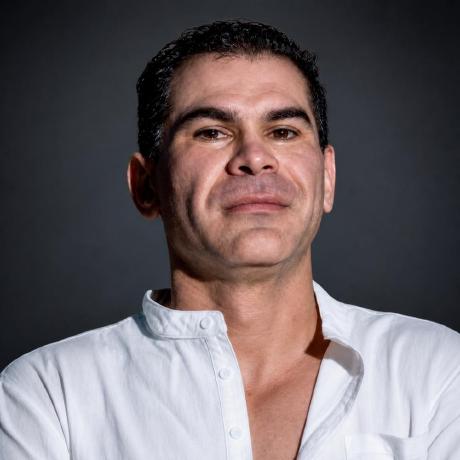
I lead the AI agent harness project at Nora SuperIntelligence Lab, connecting knowledge, agents and tools with human judgment.
Contact
Discuss a role or project.
I’m open to technical leadership roles and AI or data-platform projects. The Founders page has the fuller profile and contact context.